Choose one national park zone
For a first park day, select either the Bear Lake Road Corridor, Trail Ridge Road and alpine areas, or another specific trail region.
Colorado destination guide · Rocky Mountain National Park Gateway
A mountain town built around wildlife, scenic drives and access to Rocky Mountain National Park.
See available hotels and vacation rentals around Estes Park, then book with the company you choose.
Estes Park is the main eastern gateway for many Rocky Mountain National Park trips. Restaurants, shops, a riverwalk and plenty of places to stay make it easy to pair busy park days with slower evenings in town.
A successful visit depends on planning around park entry rules, parking and weather. Choose a small number of priority areas instead of trying to cover the entire national park in one day.
Late spring through early fall offers the widest access, but it is also the busiest period and may require timed entry. Winter and early spring are quieter, with reduced road and trail access and more variable conditions.
For a first park day, select either the Bear Lake Road Corridor, Trail Ridge Road and alpine areas, or another specific trail region.
Use a lower-key afternoon or evening for the Riverwalk, local shops and dining in central Estes Park.
Elk and other wildlife are often visible in and around town. Keep a safe distance, never feed animals and follow park guidance.
Some highlights are in Estes Park; others are nearby day-trip stops. The location label makes the difference clear.
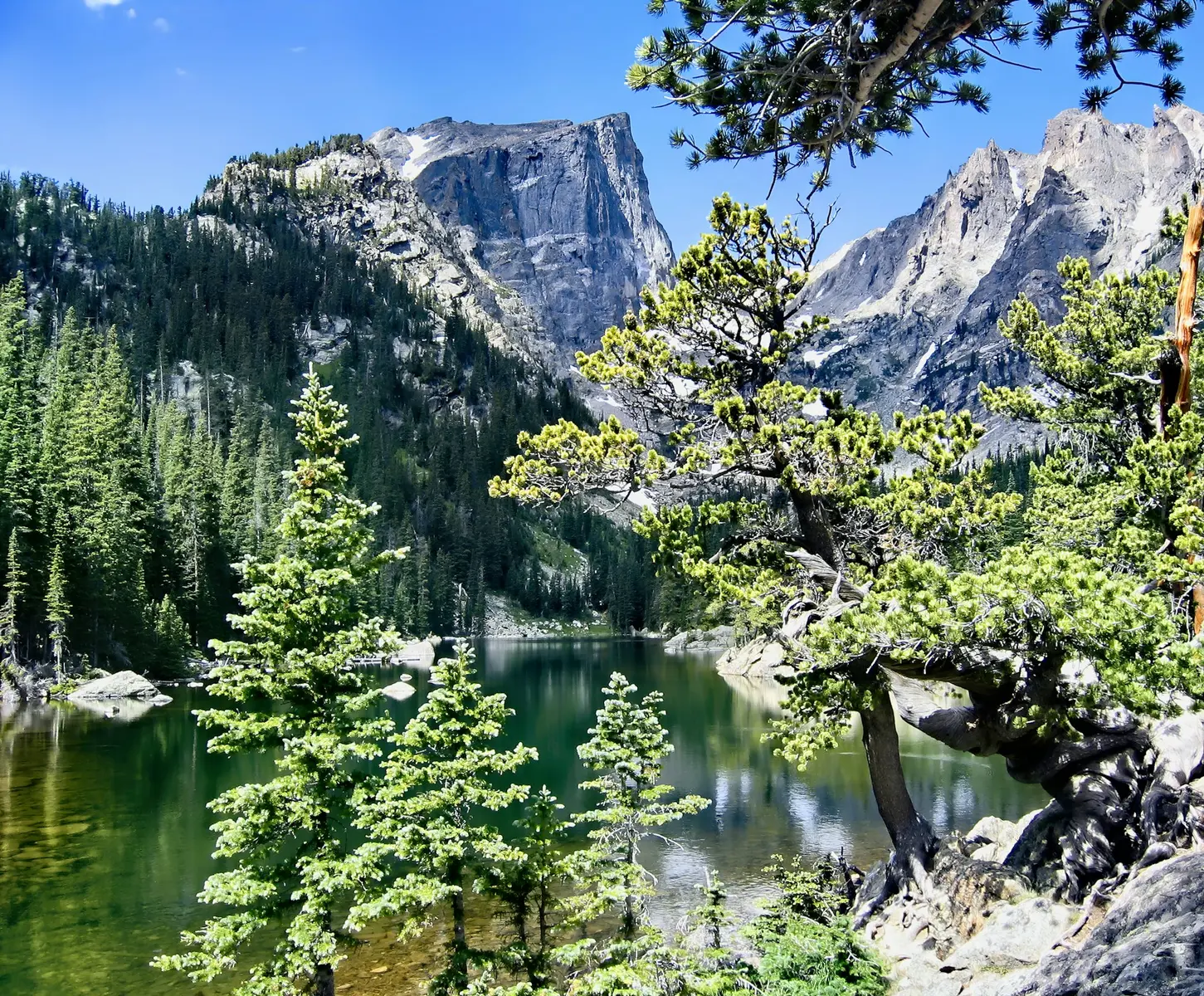
An accessible alpine lake and trail hub in the Bear Lake Road Corridor, where parking and shuttle planning matter in peak season.

The park’s high-elevation scenic road crosses alpine tundra and Continental Divide viewpoints when seasonal conditions allow.
-104A4568.jpg?width=900)
The walkable center brings together the Riverwalk, restaurants, local shops and an easy evening after a park day.
Free seasonal town shuttles connect parts of Estes Park, and Rocky Mountain National Park operates shuttles in the Bear Lake area on seasonal schedules. A vehicle still provides the most flexibility, but reservations and parking strategy are important during peak periods.
Thinking about another stop? These guides can help you compare places or build a longer Colorado trip.