Colorado fall planning
Colorado fall colors: where to go and how to time the trip
A flexible guide to September color, scenic mountain drives and the Colorado destinations that work best when the aspens turn gold.
The most important rule: follow the color
September is usually Colorado’s main fall-color month, but there is no exact statewide peak date. Elevation, latitude, temperature, moisture and wind all affect the schedule. A high mountain pass may turn before a nearby valley, and a storm can shorten an otherwise beautiful week.
The most reliable plan is to choose travel dates, reserve lodging with reasonable cancellation terms and keep more than one scenic route in mind. Check current local reports and webcams close to departure, then spend the day where the color looks strongest.
Aspen and Snowmass: the classic first choice
Aspen and Snowmass Village are natural fall bases because the Elk Mountains, Maroon Creek Valley and surrounding roads hold large aspen groves. Downtown Aspen also gives the trip restaurants, arts and an easy evening plan after a scenic day.
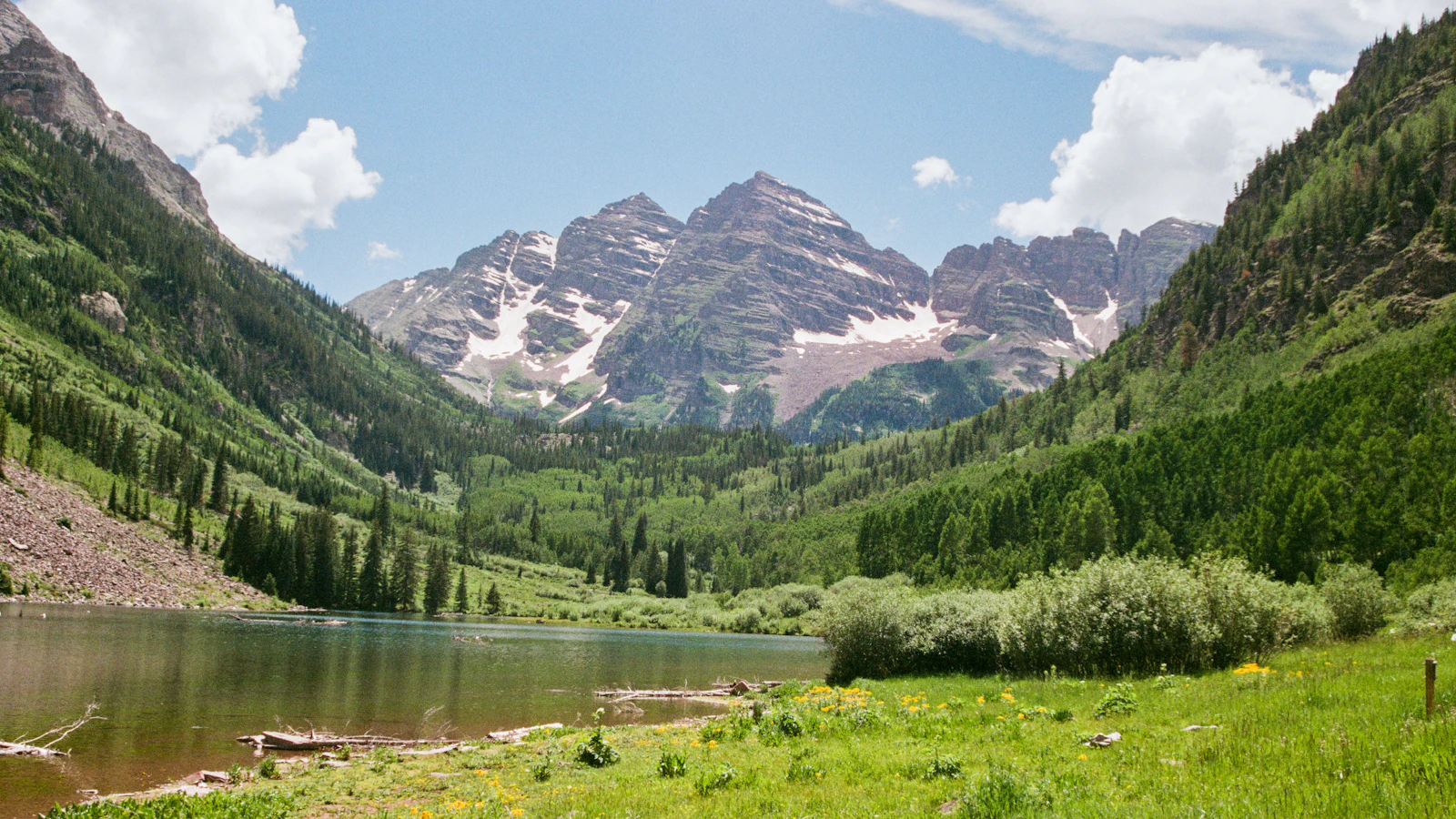
Maroon Bells is iconic, but it is not a spontaneous roadside stop during the controlled season. Shuttle and parking access require reservations. Build that reservation first, then leave the rest of the day flexible.
- Best for: iconic mountain scenery, couples and a longer fall getaway.
- Allow: three or four nights if you want Maroon Bells plus another valley day.
- Remember: Independence Pass is high, seasonal and weather-dependent.
Estes Park: wildlife, park scenery and Front Range access
Estes Park works well when Rocky Mountain National Park is the center of the trip. Fall adds golden aspens and the elk rut, but popular park corridors, parking areas and wildlife-viewing spots can become very busy.
Choose one park zone for the day and follow National Park Service guidance about timed entry, roads and wildlife distance. Trail Ridge Road can close temporarily or for the season as mountain weather changes.
Vail and Breckenridge: easy mountain-town weekends
Vail combines fall color with pedestrian villages, free buses and a simple car-light evening. Breckenridge adds historic Main Street and access to Summit County drives such as Boreas Pass when the road and conditions are suitable.
These towns are convenient from Denver, but I-70 traffic can erase the advantage on a busy weekend. Leave early, avoid a rigid return time and check COtrip before committing to the corridor.
Steamboat and the Western Slope: more room to explore
Steamboat Springs offers a longer mountain-town stay with colorful valleys, hot springs and Western character. Grand Junction and Palisade provide a different fall mood: orchards, harvest activity, wineries, red-rock scenery and cooler day trips toward Grand Mesa.
These destinations make the most sense when you have at least a long weekend and do not want the entire trip to depend on one famous overlook.
Four scenic-drive ideas
A good fall drive has safe pullouts, a flexible turnaround point and a destination beyond the windshield. Do not stop in traffic lanes or walk onto private property for a photograph.
- Peak to Peak Scenic Byway for a Front Range route that pairs naturally with Estes Park.
- Boreas Pass near Breckenridge when current road conditions suit your vehicle and comfort level.
- The Aspen and Maroon Creek area with the required reservation and transportation plan.
- Grand Mesa near Grand Junction and Palisade for high-country color above the Western Slope.
A flexible three-day fall plan
Use the first afternoon for the town and a short nearby overlook. Make the clearest-weather day your main scenic drive or park day. Keep the third day open for a second route, an easy hike, a hot-springs stop or an earlier drive home if weather changes.
Avoid booking two distant, timed activities on the same day. Fall travel is better when you can wait for a cloud to move, stop safely for a view or change direction after checking current color.
Do you need a rental car?
A rental car is usually the most practical choice for fall-color travel because the best viewing changes from place to place. Aspen and Vail can be car-light once you arrive, but reaching trailheads, scenic byways and alternative routes is easier with a vehicle.
Match the car to the route and forecast, not to a marketing label. Early snow and freezing nights are possible in the high country. Check tires, road conditions and seasonal closures, and change the plan when conditions are not comfortable.
Ready to see what is available? Compare Colorado lodging