Colorado mountain-town comparison
Aspen vs. Vail: which Colorado mountain town fits your trip?
Compare Aspen’s independent downtown, culture and four-mountain valley with Vail’s polished pedestrian villages and especially easy resort-style stay.
At a glance
| Compare | Aspen | Vail |
|---|---|---|
| Town feel | Historic, independent downtown with strong arts and dining | Polished, purpose-built alpine villages |
| Best for | Culture, variety and pairing town life with four mountains | Convenience, resort atmosphere and a car-light short stay |
| Elevation | About 7,908 feet | About 8,150 feet |
| Nearest airport | Aspen/Pitkin County Airport (ASE) | Eagle County Regional Airport (EGE) |
| Getting around | Walkable core with free local and regional bus options | Pedestrian villages with free year-round town buses |
| Winter personality | Four distinct mountains plus downtown culture and nightlife | One large resort anchored by Vail Village and Lionshead |
| Summer and fall | Maroon Bells, festivals, arts, hiking and scenic valley trips | Gondolas, hiking, biking, gardens, concerts and village events |
The simple answer
Choose Aspen when you want the town to be a major part of the trip. Its compact downtown blends Victorian buildings, galleries, museums, performances, restaurants and mountain access, so a day can move naturally between culture and the outdoors.
Choose Vail when you want the easiest resort-style rhythm. Vail Village and Lionshead are pedestrian areas with lodging, dining, shops, gondolas and free buses close together. It is particularly comfortable for a short trip when nobody wants to think much about driving or parking.
Aspen feels like a town first
Aspen has a stronger independent-town identity. Downtown streets, pedestrian malls and cultural venues feel active beyond the ski day, and the surrounding Roaring Fork Valley opens up additional choices in Snowmass Village, Basalt and Glenwood Springs.
The tradeoff is that the full Aspen experience is more spread out. Maroon Bells has its own reservation and transportation plan, the four ski mountains are separate, and a valley day requires more coordination than a simple walk through town.
- Stay downtown for the easiest access to dining, culture and the Silver Queen Gondola.
- Use RFTA buses when your plans connect Aspen, Snowmass or other valley stops.
- Reserve Maroon Bells transportation or parking before building the rest of that day.
Vail makes the resort experience especially easy
Vail’s two central villages are designed around walking. Vail Village feels like the traditional heart, while Lionshead has its own lodging, restaurants and mountain access. A paved path and free buses connect them.
That convenience is the attraction, but it also shapes the atmosphere. Travelers who want an old downtown, a wider regional culture scene or a less resort-centered trip may prefer Aspen. Travelers who want the mountain, the village and dinner to work as one compact plan may prefer Vail.
- Choose Vail Village for the central pedestrian lanes and Gondola One.
- Choose Lionshead for its own walkable base and Eagle Bahn Gondola.
- Look near a free bus stop when considering East Vail, West Vail or other lodging areas.
Winter: four mountains or one very large resort?
Aspen Snowmass spreads skiing and snowboarding across Aspen Mountain, Aspen Highlands, Buttermilk and Snowmass. That variety is useful for groups with different ability levels and personalities, but everyone should understand which mountain they are meeting at each day.
Vail centers the trip around one expansive resort. The villages make arrival and après-ski straightforward, and the town’s free bus network helps visitors reach the mountain without driving from many lodging areas.
Opening dates, terrain, lift operations and transportation schedules change with conditions. Check the official mountain and town information close to travel rather than treating a normal season as a promise.
Summer and fall: iconic scenery or village ease?
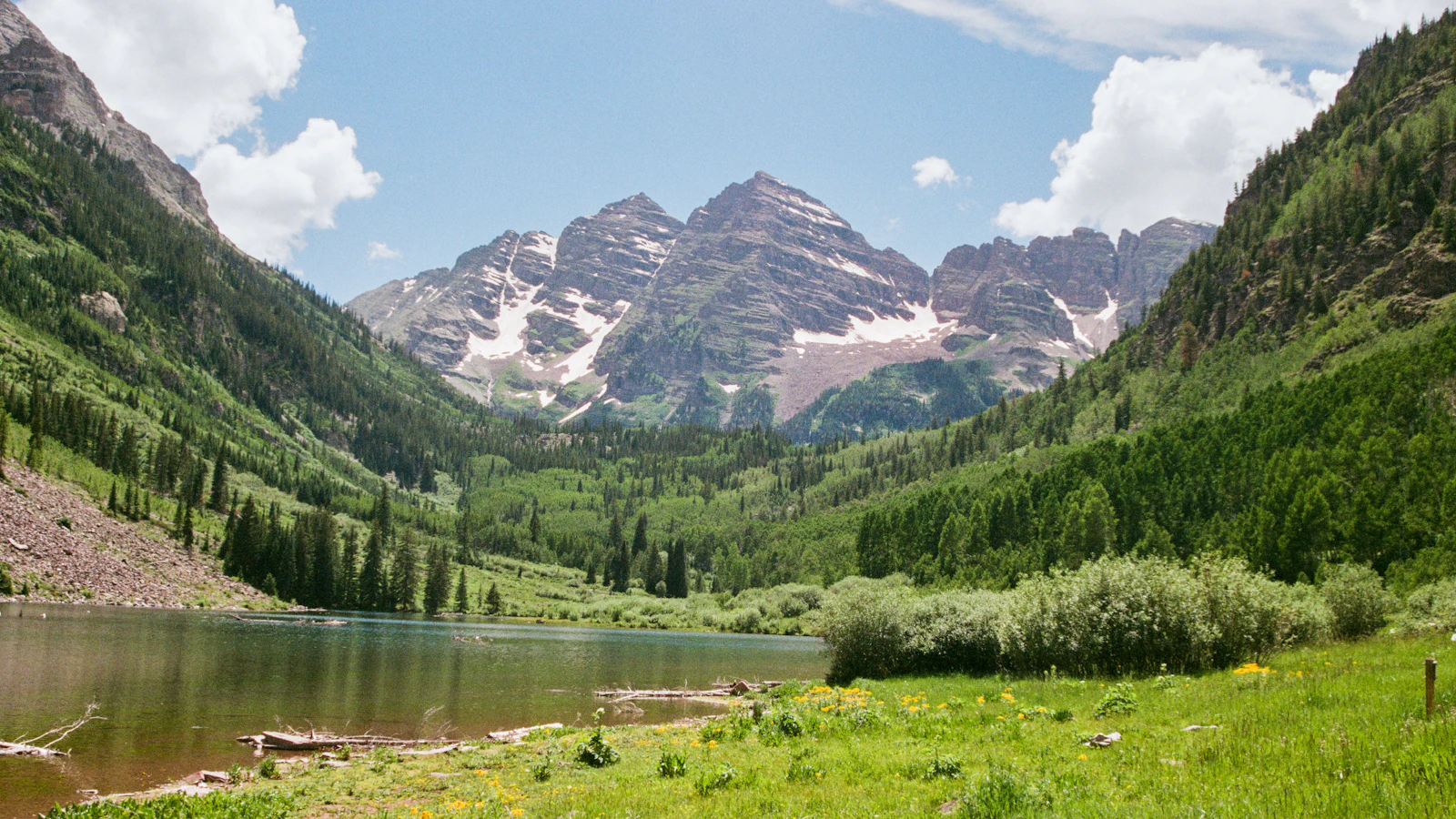
Aspen has the edge for travelers whose wish list includes Maroon Bells, Independence Pass, major arts events and a wider mix of valley outings. Fall color can be remarkable, but the timing is brief and Maroon Bells access requires advance planning.
Vail offers a simpler summer base for scenic gondola rides, hiking, biking, gardens, concerts and dining without moving the car. It is also an easy stop along the I-70 corridor when the broader trip includes Denver, Breckenridge or Glenwood Springs.
Do you need a rental car?
You can enjoy either destination without a rental car when you arrange airport transportation and choose central lodging. Aspen’s downtown is walkable and RFTA connects the valley; Vail’s pedestrian villages and free town buses make local movement especially simple.
Rent a car when the trip includes several destinations, independent trailheads or a flexible road trip. Before any mountain drive, check COtrip, the forecast and seasonal road information. Independence Pass is a seasonal route, not a dependable year-round shortcut to Aspen.
Which one is better for your group?
Aspen is our stronger choice for couples or friends who want culture, dining and mountain scenery to share equal billing. It also works well for a longer stay where four mountains and the Roaring Fork Valley provide variety.
Vail is our stronger choice for a short, polished resort break, a group prioritizing convenience or a traveler who wants to arrive by shuttle and keep daily transportation simple.
For families focused mainly on slopeside convenience, compare Snowmass Village as well. It may offer an easier family base while keeping Aspen’s downtown within reach by bus.
Ready to see what is available? Find a stay in Aspen or Vail